Unplanned downtime is one of the largest hidden costs in manufacturing — not just the stopped line, but the ripple effects on scheduling, labor, and missed output targets. Two strategies address this directly: integrated automation and predictive maintenance. Here’s what each one actually does, and how they work together.
What Integrated Automation Actually Changes
Integrated automation connects the control systems across drives, motors, and sensors so equipment coordinates rather than operating in isolation. In practice, this looks like:
Automated scheduling — equipment runs only when downstream demand requires it, cutting energy use and unnecessary wear
Real-time data sharing between components, so a change in one part of the line (e.g., a conveyor slowing) can automatically adjust upstream equipment rather than causing a backup
Reduced manual intervention points, which lowers the chance of operator error in routine adjustments
The OEE (Overall Equipment Effectiveness) gain comes specifically from reducing two of its three components — availability losses (unplanned stops) and performance losses (running below rated speed) — rather than from any single “automation” feature.
What Predictive Maintenance Actually Does
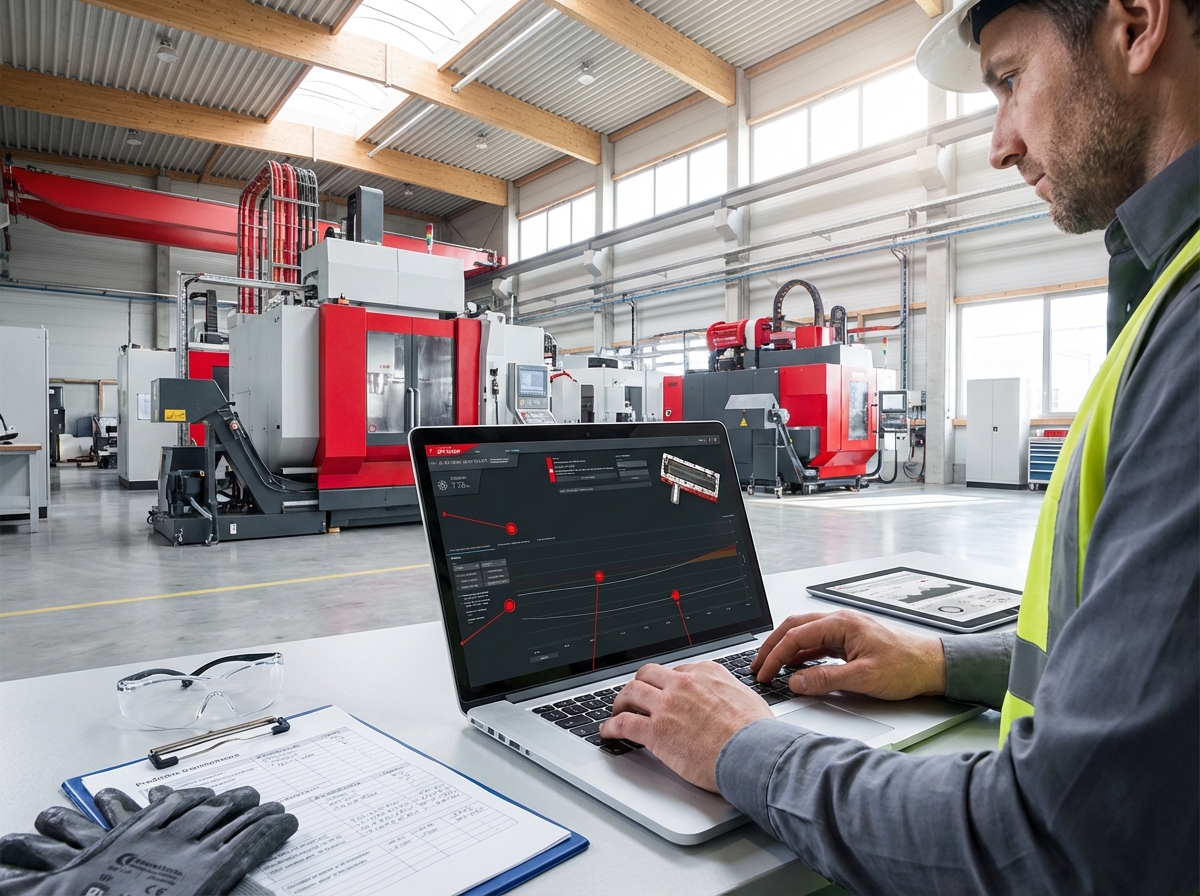
Predictive maintenance uses continuous data — vibration, temperature, lubricant condition, load cycles — to estimate when a component is approaching failure, rather than replacing parts on a fixed calendar schedule (preventive maintenance) or waiting for failure (reactive maintenance).
The practical difference:
Reactive maintenance
Trigger: Failure occurs
Trade-off: Cheapest approach until a failure happens — unplanned downtime cost is highest
Preventive maintenance
Trigger: Fixed schedule (e.g., every 6 months)
Trade-off: Parts may get replaced with useful life still remaining
Predictive maintenance
Trigger: Sensor data crosses a set threshold
Trade-off: Requires upfront investment in monitoring hardware and software
Predictive maintenance tends to pay off fastest on high-criticality assets where unplanned downtime is expensive, and less so on low-cost, easily-replaceable components.
Where Condition Monitoring Fits
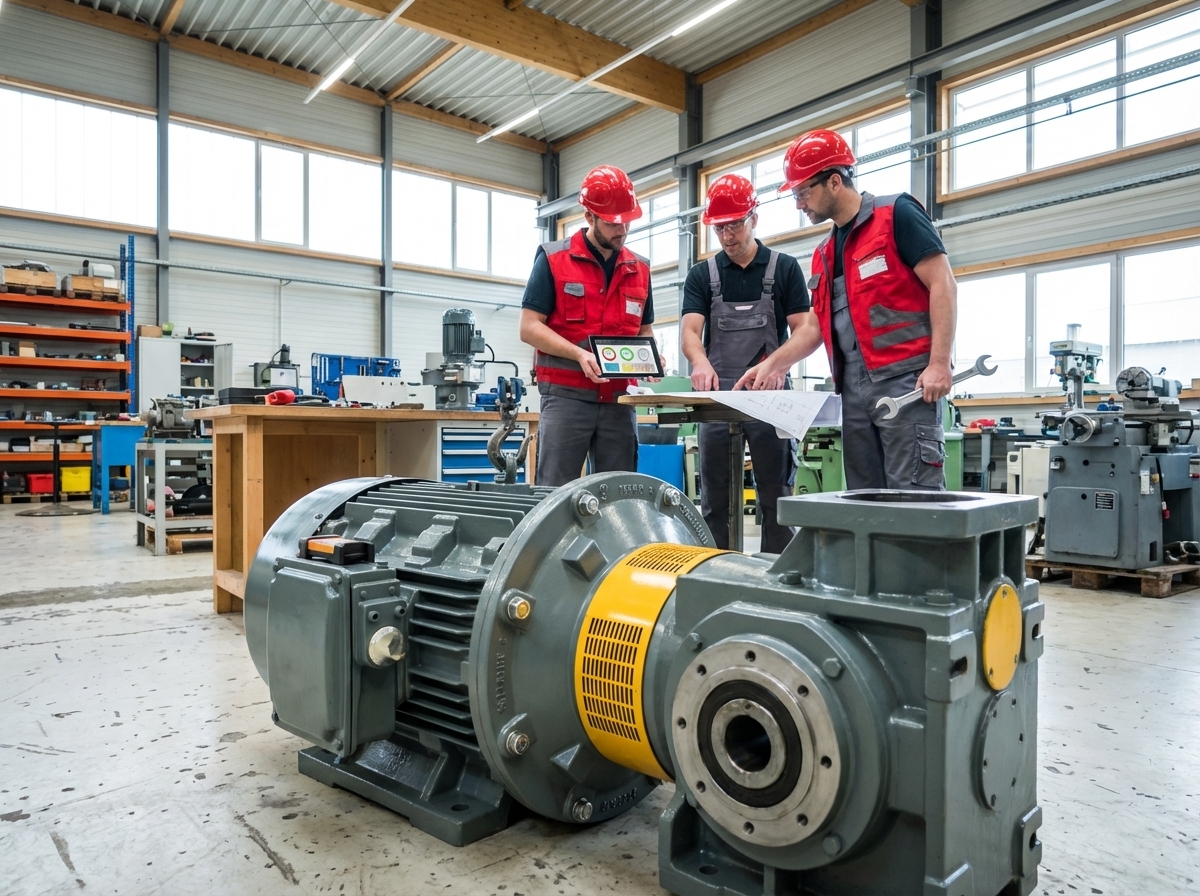
Modern gearmotors and drives increasingly ship with — or can be retrofitted with — sensors that track the variables above continuously. This is the layer that makes predictive maintenance possible at scale, rather than relying on periodic manual inspection.
Where SEW-EURODRIVE fits in:
SEW-EURODRIVE Canada’s DriveRadar IoT Suite is one implementation of this condition-monitoring layer, built specifically for gear units and drives — it continuously tracks the operating variables above and flags degradation trends before they become failures. For plants evaluating whether predictive maintenance is worth the upfront investment, SEW-EURODRIVE Canada also offers consultations to assess where it would have the highest ROI on your specific equipment. More about DriveRadar.