- GEARMOTORS.CA
Your Resource for Industrial Gear Motors in Canada
Canadian-centric content that matters.
Canadian-focused resources for gearmotors, gear units, and drive systems — built for local codes, climate, and operations.
Gearmotors that fit in.
Purpose.
Gearmotors.ca exists to help Canadian operations teams make informed decisions about gear motors, gear units, and drive systems — built for the realities of running equipment here, not adapted from a guide written for another market. That means accounting for sub-zero startups in the Prairies, washdown requirements in food and beverage plants across Ontario and Québec, CSA and cULus compliance, and the logistics of getting parts and service to facilities from Vancouver Island to Iqaluit. Whether you’re sizing a new gear motor or troubleshooting an aging drive system, this site is meant to give you Canadian-relevant answers first.
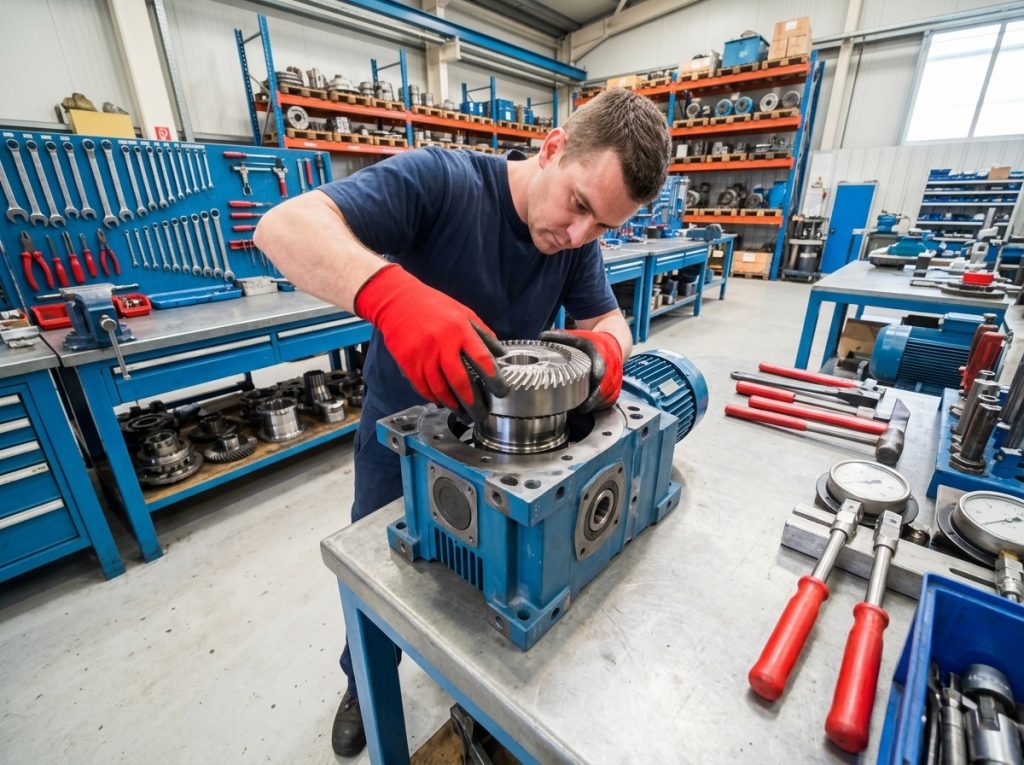
Let's get started with the basics.
Gear Motor vs. Gear Unit: Differences, Applications, and Selection Criteria for Industrial Systems
In modern industrial environments, motion control, torque transmission, and power efficiency define system performance. Among the most commonly compared mechanical drive components are the gear motor and the gear unit. While these terms are often used interchangeably, they represent **distinct solutions with different engineering implications, cost structures, and application advantages**. We present a comprehensive, technically grounded comparison that clarifies their differences and identifies the most effective use cases for each.
Understanding the Core Definitions:
What is a Gear Motor anyways?
A gear motor is an integrated assembly that combines an electric motor and a gear reducer into a single, factory-aligned unit. The motor and gearbox are designed as one system, sharing a common housing, shaft alignment, and performance specification.
Gear motors are engineered to deliver **controlled output speed, increased torque, and compact system integration**, making them a preferred solution in standardized automation environments.
Understanding the Core Definitions:
What is a Gear Unit?
A gear unit, also referred to as a gearbox or speed reducer, is a standalone mechanical transmission device. It is designed to be paired with a separate prime mover, such as an electric motor, hydraulic motor, or internal-combustion engine.Gear units provide flexibility in motor selection, allowing engineers to tailor torque, speed, and duty-cycle requirements independently. In other words, it’s just the gear portion of a gear motor.
Examples to note.
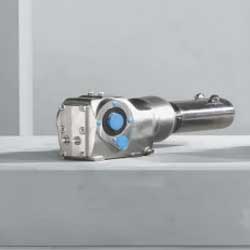
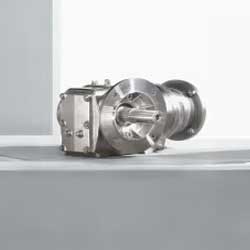
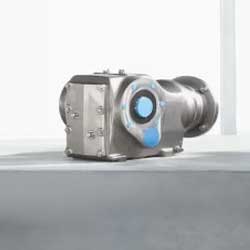
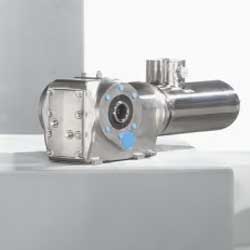
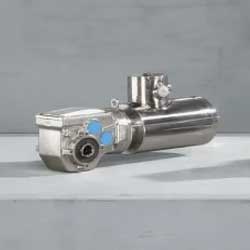
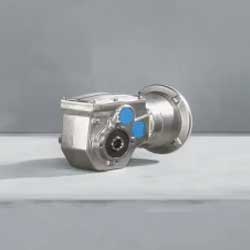
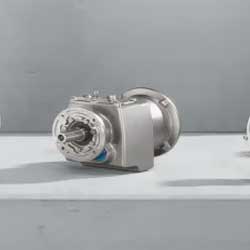
Here are some examples of Food Grade, Hi washdown Stainless Steel gearmotors designed for the Food and Beverage industry.
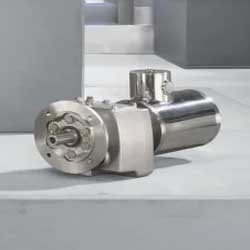
Deciding which unit is best for you isn’t only about the costs; it’s about the total cost of ownership of running and maintaining the units. For example, if you purchase something that is vital to your day-to-day life and it’s imperative that it’s always available when you need it, would you compromise availability and reliability for price? The same principles apply to investing in gear units and drive systems. It’s not only what you save, but it’s also what it can cost you in the long run. Most companies purchase products based on quality and support availability. Let’s be real for a second: we all know that everything mechanical will eventually fail; it’s no secret. However, there are ways to mitigate and minimize risk.
Suggest a topic.
If there’s a drive system question you can’t find a straight answer to, or a real-world application you think other Canadian operations teams should hear about, we want to know. Suggest a topic for an upcoming article, or let us know if your facility has a gear motor or drive system story worth featuring — from a tricky retrofit to a hard-won lesson on uptime — and we may reach out about including it in our upcoming case studies. Your experience could help the next person solve the same problem faster.
Submission & Case Study Consent
By submitting a topic suggestion or business story, you agree that Gearmotors.ca / SEW-EURODRIVE Canada may contact you to learn more. If your business or project is selected for a future case study, we will confirm the specific details to be published and obtain your written approval before anything goes live. Submitting a suggestion does not guarantee a feature, and you’re free to decline or request changes at any time.
Contact Gearmotors.ca
Ideas and Insights
Email: [email protected]
Industrial Gear Motors in Canada
High-efficiency geared motors for Canadian industry—engineered for reliability, low total cost of ownership, and compliance with Canadian standards. From food & beverage to mining, logistics, and municipal infrastructure, Gearmotors.ca helps you select the right reducer, motor, and drive package for your duty cycle and environment—including low-temperature and washdown applications.
Need CSA or cULus compliant gear motors, arctic lubricants, or IP69K washdown? We’ve got options tailored for Canadian code requirements and climate.
Complete Gear Motor Solutions
Helical & Parallel Shaft
High efficiency, compact footprint for conveyors, mixers, and general purpose drives.
Helical-Bevel & Right-Angle
High torque density and smooth power transmission for bucket elevators, palletizers, and cranes.
Worm & Hypoid
Quiet operation and cost-effective ratios for light-duty material handling and positioning.
Stainless & Hygienic
IP67–IP69K housings, smooth surfaces, and food-grade lubricants for CIP/SIP zones.
Low-Temperature / Arctic
Low-pour-point lubricants, heater kits, and seals validated for sub-zero starts.
Explosion-Resistant (HazLoc)
Options designed for hazardous locations (consult for CSA/IECEx/ATEX availability).
Gear Motor Selection Guide
Use the checklist below to narrow your choices and achieve optimum efficiency, uptime, and lifecycle cost in Canadian operating conditions.
- Load & Duty: Continuous/intermittent, starting frequency, and required service factor.
- Torque & Speed: Output torque (Nm/lb‑ft), ratio, and turndown via VFD if needed.
- Environment: Ambient temperature (−40°C to +40°C), ingress protection (IP55–IP69K), washdown or dust.
- Power & Efficiency: IE3/IE4 motor class, power (kW/HP), and energy savings with premium gears.
- Mounting: Foot, flange, torque arm, hollow shaft, or custom adapters.
- Certification: CSA/cULus, food-grade, and municipal specifications.
- Maintenance: Lubricant type/interval, condition monitoring, and spare parts availability.
Tip: In cold climates, specify low-temperature grease/oil and consider space heaters for start reliability.
Specifications & Compliance (Canada)
Efficiency & Motors
- IE3 / IE4 premium-efficiency AC motors
- Variable frequency drive (VFD) ready
- Brake motors for hold-back/vertical loads
- Encoder/feedback options for positioning
Enclosures & Ratings
- IP55–IP69K ingress protection
- Painted aluminum/steel; stainless hygienic
- Low-temp seals, heaters, arctic lubricants
- Noise-reduction options for indoor use
Standards & Food Safety
- CSA and cULus compliance options
- NSF/food-grade oils & greases for F&B
- Material traceability on request
- Documentation packages for municipal tenders
Industries We Serve Across Canada
Food & Beverage
Washdown-ready stainless and hygienic drives for conveyors, de-palletizers, and mixers.
Mining & Aggregates
High-torque, ruggedized gear motors for feeders, crushers, and stackers in harsh climates.
Logistics & Warehousing
Energy-efficient drives for sortation, AS/RS, and parcel handling with VFD control.
Water/Wastewater
Corrosion-resistant packages for clarifiers, aerators, and screw pumps—municipal specs ready.
Forestry & Pulp
Heavy-duty right-angle drives for debarkers, conveyors, and roll handling.
Chemicals & Pharma
Sealed, cleanable designs for mixers, reactors, and packaging lines.
Serving: Ontario, Québec, British Columbia, Alberta, Manitoba, Saskatchewan, Atlantic Canada, and the North.
Canada-Focused FAQ
- What certifications do I need in Canada?
- For most industrial facilities, look for CSA or cULus compliance on motors and drives. Food facilities often require hygienic designs and food-grade lubricants; municipalities may request documentation packages.
- How do cold temperatures affect gear motor sizing?
- Sub-zero ambients increase viscosity and starting torque. Specify low-pour-point lubricants, consider space heaters, and validate seal materials. De-rate where necessary for start-up loads.
- Can I run gear motors with VFDs?
- Yes—ensure inverter-duty motors, adequate cooling at low speed, proper EMC filtering, and torque checks across the speed range. Oversize when required for continuous low-rpm duty.
- What IP rating should I choose?
- IP55 works for general indoor use, IP66 for heavy washdown or dust, and IP69K for high-pressure cleaning zones.
- Do you ship nationwide?
- Yes. We support all provinces and territories and can coordinate expedited shipments for planned outages and shutdowns.
Copyright© Gearmotors.ca